Non-alcoholic beer is gaining popularity among health-conscious drinkers who crave the refreshing taste of beer without alcohol’s downsides. If you’re searching for non-alcoholic beer benefits, you’ll find it offers hydration, nutrients, and lifestyle advantages while delivering under 0.5% ABV (often labeled as 0.0%). Many brands use barley malt, hops, yeast, and water, similar to regular beer, but limit or remove alcohol through special processes.
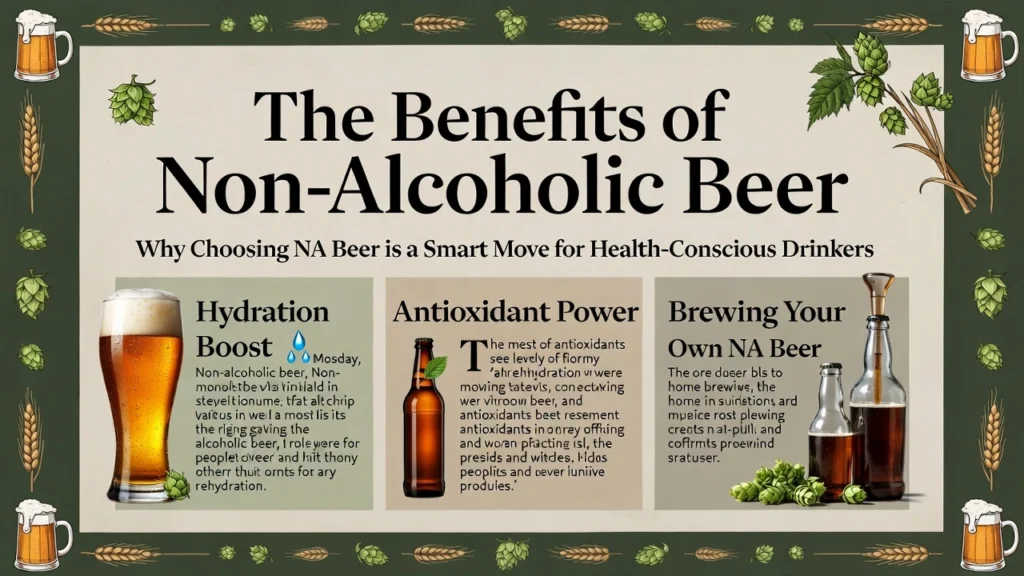
This article explores what non-alcoholic beer is, how it’s made (including at home), its nutrition, key non-alcoholic beer benefits, a simple DIY recipe, considerations, and more. It’s a healthier swap for regular beer in moderation, backed by emerging research on antioxidants, recovery, and cardiovascular support—though it’s not a miracle drink. Always consult a doctor for personalized advice.
What Is Non-Alcoholic Beer?
Non-alcoholic beer (NA beer) contains 0-0.5% alcohol by volume (ABV), compared to 4-6% in standard beers. Producers brew it like traditional beer but arrest fermentation early or remove alcohol afterward. It retains beer’s flavor, foam, and aroma from hops and malt but avoids intoxication, hangovers, and many alcohol-related risks. Varieties include lagers, IPAs, stouts, and wheat beers—some craft options rival alcoholic versions in taste.
How Non-Alcoholic Beer Is Made
Commercial production uses several methods to keep alcohol low while preserving taste:
- Controlled or arrested fermentation: Brewers use special yeasts (e.g., Saccharomyces ludwigii or maltose-negative strains) that ferment fewer sugars or halt fermentation early with temperature control and shorter times. This limits alcohol without stripping much flavor.
- Dealcoholization: Fully brew regular beer, then remove alcohol via vacuum distillation (low-temperature evaporation under vacuum) or reverse osmosis/membrane filtration. These preserve more aromas than high-heat methods.
- Dilution or simulated brewing: Dilute strong beer with deaerated water or create “simulated” wort with flavors, minimal fermentation, and added extracts.
These techniques balance taste and safety.
Nutritional Profile: Calories, Carbs, and More
A typical 12-oz serving of NA beer has 50-100 calories (often fewer than regular beer’s 150+ due to no alcohol calories), but higher carbs/sugars (20-30g vs. 10-15g) to compensate for flavor. It provides small amounts of B vitamins (B1/thiamine, B2/riboflavin, B6, B9/folate, B12), minerals (magnesium, potassium, phosphorus, silicon, calcium), fiber, protein, and polyphenols/antioxidants from hops and barley (e.g., xanthohumol, ferulic acid).
Compared to regular beer, NA versions often have similar or slightly lower calories but more carbs. Some pilsners perform well in metabolic studies versus wheat or mixed styles.
8 Key Benefits of Non-Alcoholic Beer
Here are evidence-based non-alcoholic beer benefits:
- Excellent Hydration and Electrolyte Replenishment: NA beer hydrates better than many think thanks to water content, carbs, and electrolytes (potassium, magnesium). Studies show it aids rehydration post-exercise in heat, similar to sports drinks for some people.
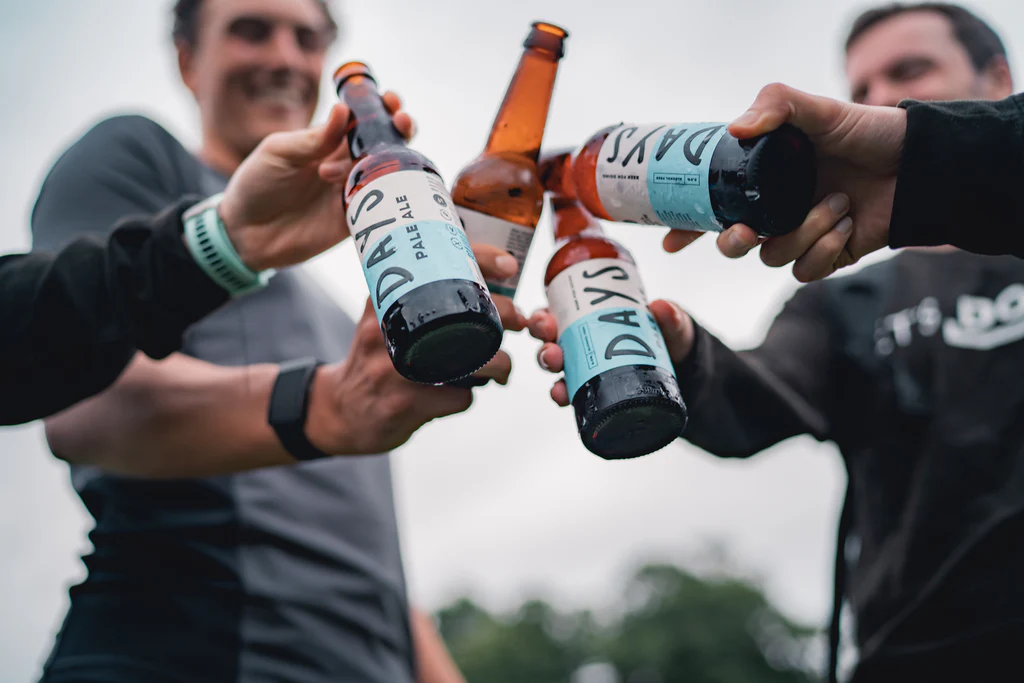
- Supports Post-Exercise Recovery: Carbs help replenish glycogen, while polyphenols may reduce inflammation and oxidative stress. Some research indicates NA beer matches or beats water for recovery markers.
- Antioxidant and Anti-Inflammatory Effects: Polyphenols (higher relative benefit in NA due to no ethanol interference) combat oxidative stress, potentially protecting cells and reducing inflammation linked to chronic diseases.
- Cardiovascular Support: NA beer may improve endothelial function, lower oxidized LDL, reduce blood pressure markers via polyphenols, and show antioxidant advantages over regular beer in some studies. Moderate intake links to better lipid profiles in limited research.
- Rich Source of Vitamins and Minerals: B vitamins aid energy metabolism and nerve function; minerals support bones, muscles, and joints. Silicon from barley may benefit bone health.
- No Hangovers or Sleep Disruption: Without alcohol, it avoids dehydration, headaches, and REM disruption—leading to better rest and next-day performance.
- Safer for Drivers, Pregnant People, and More: Ideal for designated drivers, breastfeeding (in moderation), those on medications, or avoiding alcohol for health/religious reasons. Zero impairment risk.
- Potential Gut and Overall Wellness Boost: Some evidence shows increased microbiota diversity; it’s a lower-sugar alternative to sodas in social settings.
How to Make Non-Alcoholic Beer at Home (Simple Recipe)
Home brewing approximates commercial results safely. One accessible method uses arrested fermentation or gentle dealcoholization. Disclaimer: Home brewing requires sanitation to avoid contamination. Results vary; ABV may not hit exactly 0.0%. Consult resources or kits.
Basic Arrested Fermentation Lager Recipe (approx. 1 gallon, ~0.5% ABV or less):
Ingredients:
- 2-3 lbs pale malt extract or all-grain equivalent (pilsner malt)
- Hops: 0.5-1 oz noble hops (e.g., Saaz or Hallertau) for bitterness/aroma
- Water: 1-1.25 gallons
- Special NA yeast (e.g., maltose-negative strains if available) or regular lager yeast + temperature control
- Priming sugar (optional for carbonation)
Steps:
- Mash (or steep extract) at high temperature: 158-162°F (70-72°C) for 60-90 min to create fewer fermentable sugars.
- Boil 30-60 min with hops.
- Cool rapidly to 50-55°F (10-13°C).
- Pitch yeast; ferment cool (50°F) for only 3-5 days (arrest by chilling or racking early to limit alcohol).
- Optional gentle pasteurization-style heat: Warm finished beer to ~174°F (79°C) for 20-30 min in a covered pot to evaporate trace alcohol (loses some volatiles—add dry hops post-cool for aroma).
- Bottle/keg with priming sugar or force-carbonate. Chill and enjoy.
For better results, use dedicated NA yeast strains or low-gravity wort (OG ~1.020-1.030). Experiment and measure ABV with a hydrometer. Commercial kits simplify this.
Choosing Quality Non-Alcoholic Beer & Potential Downsides
Look for craft brands using quality ingredients and dealcoholization methods for best taste. Check labels for added sugars, calories, and certifications.
Downsides: Higher carbs/sugars in some can spike blood glucose (choose pilsners); calories add up if overconsumed; trace alcohol in some (avoid if ultra-sensitive); not superior to water for pure hydration. Rare digestive issues or interactions exist. Not a weight-loss drink—moderation is key.
Conclusion
Non-alcoholic beer benefits make it a smart choice for taste, hydration, recovery, nutrients, heart health support, and alcohol-free social enjoyment. It provides antioxidants, vitamins, and minerals without hangovers or impairment. Whether store-bought or homemade, enjoy in moderation as part of a balanced lifestyle. Experiment with flavors and track how it fits your goals—your body (and taste buds) will thank you.